Garden Clearance in Notting Hill
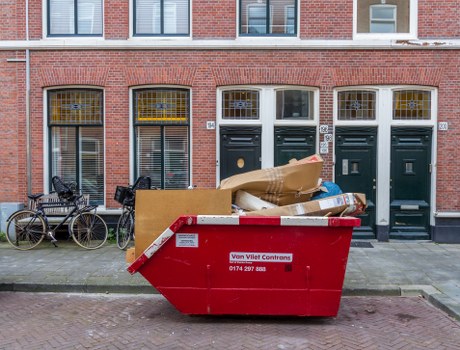
Garden clearance in Notting Hill should leave outdoor spaces tidy, usable and ready for their next stage, whether that means a seasonal reset, the removal of unwanted growth, or clearing accumulated green waste after a larger garden tidy. We provide a practical service focused on brambles, cuttings, bagged waste, soil, broken planters and other garden debris, with the aim of returning the space to a clean and manageable condition. The work is planned around the size of the area and the type of material that needs to go, so the service stays focused on what is actually present.
Our approach covers routine garden waste removal as well as more involved clearances where shrubs, hedge trimmings, old compost sacks or dismantled outdoor items need collecting. Where access is straightforward, we can work through front gardens, rear yards, communal outdoor areas and narrow side passages with care. If the site has mixed waste, we separate what can be handled as green material from heavier or less straightforward items, helping the clearance stay orderly and efficient.
For a clearer idea of what is needed, you can request a quotation once you know the main items that need removing. A short written list is often enough to begin, and photographs can be useful when the clearance includes overgrown sections or a combination of waste types. If you already know the space needs a broader tidy, say so from the start so the team can plan the right vehicle space and loading time.
Garden waste removal and tidy-up work
Garden waste removal is usually the most immediate part of a clearance job, and it often includes grass cuttings, hedge trimmings, branches, leaves and bagged green waste that has built up after regular maintenance. In some cases the task is simple, but in others there may be multiple piles gathered over time, which means the job benefits from careful sorting before lifting begins. A tidy working method matters, because outdoor waste can spread quickly if it is not collected in a planned order.
Where a garden has been left unused, the clearance may also involve thorny growth, fallen pots, damaged edging, rotted timber or broken garden furniture. Garden clearance can therefore be more than a quick sweep-through; it can also prepare the area for follow-on work such as pruning, replanting or landscaping. We focus on the physical removal itself, while keeping the process straightforward for the customer and suitable for the condition of the site.
The best clearances are usually the ones where the scope is understood in advance. If the waste is mainly green, the collection can be organised differently from a mixed load that includes old outdoor storage, fencing or heavier garden fixtures. Waste removal may suit situations where the garden contents are varied rather than limited to clippings and branches, while a dedicated clearance remains useful when the outdoor space needs attention as a whole.
Old outdoor items, broken fixtures and mixed loads

Many garden jobs include more than plants and cuttings. Broken tables, cracked storage boxes, damaged plant stands, collapsed trellis, old plant pots and worn coverings can all add to the work, especially if they have been left outside through several seasons. These items need to be carried out carefully, and the loading order matters because mixed garden waste can quickly become awkward if it is not organised before removal begins.
Where old furniture or larger outdoor pieces need taking away, we can combine the clearance with other relevant services when that makes sense for the load. Furniture clearance is helpful for bulkier items that are not simply garden cuttings, while furniture disposal is a useful fit when the priority is to remove worn or unusable pieces cleanly and responsibly. For some clearances, especially where the garden has become a storage area, this mixed approach is more practical than treating every item as green waste.
It also helps to think about access before the work is booked. If the route from the garden to the vehicle is narrow, stepped or shared, the clearance may need extra care, and that can affect the time required on site. A brief description of the items, their approximate number and the way they are stored is usually enough to shape a sensible quotation. Keep the message clear and simple, and the scope becomes much easier to assess.
Hedge cutting residues, shrubs and overgrowth
Overgrown gardens often produce more waste than a routine tidy-up, particularly after hedge trimming, shrub reduction or the clearing of a neglected border. Long branches, woody stems, climbing growth and dense cuttings can take up more room than standard green waste, so the clearance needs to be assessed by volume as well as by type. In these situations, the work is often about restoring access to beds, paths and corners that have become difficult to use.
When overgrowth includes thicker branches or rooted material, it can be sensible to pair the work with other clearances such as loft clearance or home clearance if the outdoor area is also being emptied alongside stored household items. That is not always necessary, but it shows why a single garden job can sometimes sit within a wider property tidy. The important point is to match the service to the actual load rather than forcing everything into one narrow category.
Customers often want a simple result: the garden should look cleared, the waste should be gone, and the remaining space should be easier to maintain. That is easiest to achieve when the collection is planned around access, load type and the amount of material stacked in different places. If the job includes both cuttings and old outdoor belongings, explain that early so the quotation reflects the whole clearance rather than just one part of it.
Gardens, yards and outdoor spaces with limited access

Not every outdoor clearance takes place in an open driveway or a spacious lawn. Some jobs involve smaller yards, terraced rear gardens, basement-level courtyards or shared spaces where movement is more restricted. In those cases, a calm and organised approach matters more than speed alone, because items often need to be moved along tighter routes and handled in a way that protects walls, gates and other fixtures. The work may still be straightforward, but it needs care.
Access can also affect how waste is grouped before removal. When items have to be carried through narrow passages or up short steps, it often helps to keep loads manageable rather than overfilling bags or waiting until waste has spread across several parts of the garden. A well-planned clearance reduces confusion and makes it easier to leave the space tidy at the end. This is particularly relevant where the outdoor area is shared or where neighbours are close by.
If your outdoor space contains a mix of garden debris and general household clutter, it may be useful to look at flat clearance or house clearance alongside the outdoor work. Those pages are relevant where the property needs more than a simple green waste collection. For garden-only jobs, though, the priority remains the same: remove the waste cleanly, leave the area accessible and keep the handling of each load under control.
What a garden clearance can include
Garden clearances vary a great deal, so it helps to be clear about the types of material that need removing. Typical contents can include hedge trimmings, dead plants, weeds, branches, leaves, soil-filled bags, broken pots, compost sacks, old netting and unwanted outdoor storage. Some jobs are mostly organic waste, while others involve a blend of green material and discarded items from around the property. The more accurately the load is described, the easier it is to plan the work properly.
- Grass cuttings, leaves and general green waste
- Branches, hedge trimmings and prunings
- Weeds, roots and overgrown garden debris
- Old pots, planters, edging and outdoor containers
- Worn items stored in sheds, corners or borders
For customers who want to understand how the job is priced, the main factors are usually volume, access and the mix of waste types. Pricing and quotes is a useful page if you want to see how enquiries are handled, while contact us is the natural place to start when you are ready to share the details of the clearance. A short description of the garden and a few photographs can make the next step much more accurate.
Clearance planning, access and preparing a quotation
Before a garden clearance is booked, it helps to walk through the space and note what needs taking away, what can stay and whether any items are especially heavy, wet or awkward. If the garden includes a shed corner, a stacked border, or a patch of overgrowth that has hidden debris underneath, that should be mentioned too. Small details often change the amount of labour involved, and clear information makes the quotation more realistic from the start.
Another useful step is to think about the route the waste will take out of the property. If there are tight gates, shared entrances or uneven paths, that is worth mentioning as well, because access can affect how the work is organised on the day. This is one of the few areas where a little preparation makes a noticeable difference. When you are ready, you can ask for a quote and explain whether the clearance is a one-off tidy, a seasonal reset or part of a larger outdoor refresh.
Request a quotation if you would like the clearance assessed against the actual contents of the garden. If the work involves mixed waste, damaged outdoor items or a more substantial overgrown area, the description should cover that from the beginning. The goal is a practical plan, a fair estimate and a tidy result without unnecessary delay.
Supported disposal and responsible sorting

Responsible handling matters in garden clearance because not every item belongs in the same load. Green waste, reusable outdoor items, broken fixtures and general rubbish may all need different treatment depending on what has been collected. A careful clearance therefore starts with sorting, so that the waste can be grouped in a sensible way before it leaves the site. That approach helps keep the work organised and avoids mixing material that has different handling needs.
Where a customer also wants to understand how waste is treated once removed, recycling and sustainability offers a useful overview of the broader approach, while payment and security is relevant if you want reassurance about the administrative side of the process. These supporting pages do not change the work on the garden itself, but they can help when you are deciding how to proceed with a quotation or a larger clearance request.
It is also sensible to remember that some items found in gardens are not merely light green waste. Soil-filled bags, waterlogged timber and heavy plant containers can take more effort to move than they first appear. That is why a clear description matters: the more accurately the waste is described, the better the clearance can be planned and the more smoothly it is likely to proceed.
Neighbouring property clearances and linked household work
Sometimes a garden clearance is only one part of a wider tidying project, and the outdoor waste may be happening alongside the clearing of stored household belongings, garage contents or unwanted furniture. In those cases, it can be more practical to look at the property as a whole rather than treating each pile in isolation. A single plan can save repetition and makes it easier to decide what should be removed in which order.
That is where linked services can be helpful. garage clearance suits properties where tools, boxes, old equipment or unused household items are stored alongside outdoor material, while builders waste clearance is useful if the garden contains rubble, timber offcuts or other debris from works carried out nearby. The right choice depends on the material, not just the location where it happens to be sitting.
For customers who are unsure how to separate the load, it is usually enough to group the items roughly by type and note what seems to be garden waste, what looks like furniture or storage, and what appears to be heavier mixed rubbish. That simple step helps keep the quotation sensible and makes the collection easier to organise once the job is booked.
About Notting Hill
Notting Hill is an area in west London best known for its elegant residential streets, long terraces and a distinctive mix of architectural styles that developed across the nineteenth and twentieth centuries. The district is closely associated with garden squares, crescents and stucco-fronted houses, many of which contribute to the character of the surrounding streetscape. Its name is now used for a wider cultural area than the original hill, and the neighbourhood’s identity is shaped by a blend of local shops, homes and public spaces rather than by a single centre. The area sits within the Royal Borough of Kensington and Chelsea and has strong connections to nearby North Kensington and Kensington.
One of the best-known annual events linked with the district is the Notting Hill Carnival, a major street festival that began in the 1960s and has become a significant part of London’s cultural calendar. The area also has a long history of markets, with Portobello Road Market drawing visitors for its antiques, produce and street trading. Local landmarks such as the colourful terraces, mews streets and community gardens give the neighbourhood much of its visual identity, while places like the Tabernacle and nearby theatres contribute to its cultural life. The area’s layered history is visible in its mix of restored buildings, long-established commercial streets and the continuing use of small public squares and garden spaces.
Because the district developed through changing waves of residential use, renovation and cultural activity, it remains one of London’s most recognisable urban neighbourhoods. Its streets are known for their varied front gardens, private communal squares and pockets of greenery tucked between dense blocks of housing. That combination of built form and open space gives the area a distinctive feel, with a strong contrast between the busy market streets and the quieter residential squares. The result is a place where architecture, local history and everyday neighbourhood life are closely interwoven.
Choosing the right scope for your clearance
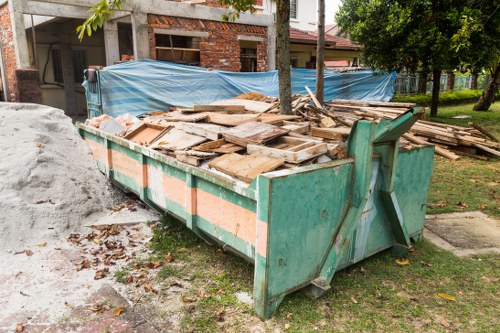
One of the most useful parts of arranging a garden clearance is deciding how broad the job really is. Some customers only need a pile of cuttings taken away after pruning, while others want a full outdoor tidy that includes discarded containers, broken timber and older items stored in corners. It is better to define the scope in practical terms than to use vague descriptions, because the size and type of load can change the whole shape of the work. Clear scope leads to a clearer plan.
When a garden has several different kinds of waste, the right answer is often a combined clearance rather than several separate visits. That can be especially true where the outdoor space has become a storage area over time. If you are comparing options, think about whether you need only a basic green waste collection or a more complete removal that also includes non-garden items. About us may help if you want to understand the business context behind the service before asking for a quote.
Contact us when you are ready to request a quotation for garden clearance in Notting Hill, and include any notes that make the load easier to understand. A concise message with the main waste types, access details and approximate amount is usually enough to begin. If the garden is overgrown or the contents are mixed, mention that from the outset so the estimate reflects the work properly.