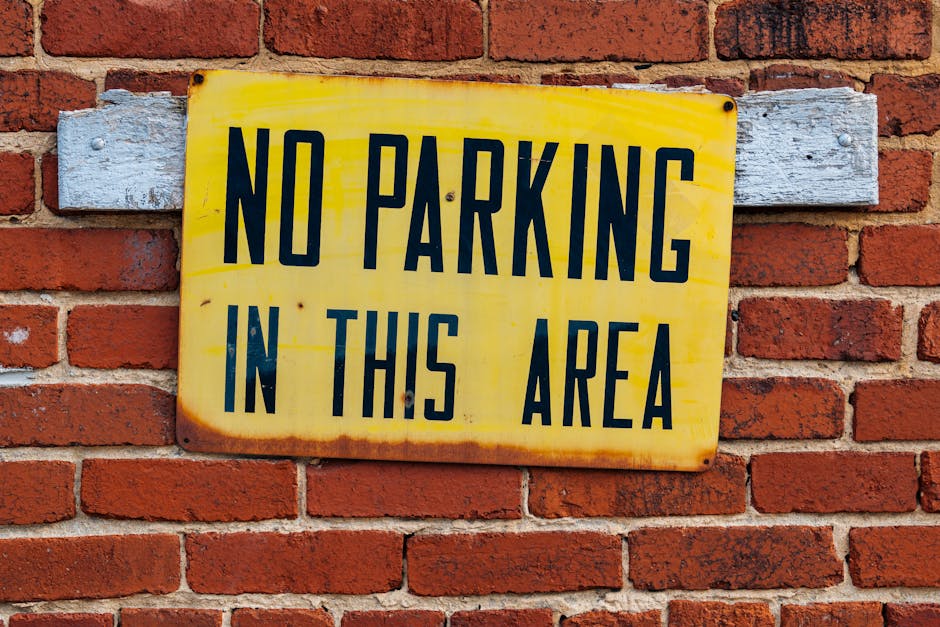
Managing bulky rubbish when access is restricted in Notting Hill
Bulky rubbish is awkward enough on a normal street. In Notting Hill, where front steps are narrow, mews lanes can be tight, and parking can feel like a small miracle, it gets harder fast. If you are managing bulky rubbish when access is restricted in Notting Hill, the real challenge is rarely the waste itself. It is the route, the timing, the lift size, the staircase, the neighbour's car, and that one sofa that seems determined not to leave the flat.
This guide breaks the problem down in a practical way. You will learn how restricted access affects clearance planning, what methods actually work in a busy part of West London, which mistakes cause delays, and how to choose the right approach for homes, flats, offices, and mixed-use buildings. It is written for people who just need the job done properly, without turning the hallway into a wrestling match.
If you want a broader overview of services that help with awkward clearances, the page on waste removal is a useful place to start. For properties with stairs, shared entrances, or compact layouts, flat clearance and house clearance are often the most relevant options.
Why Managing bulky rubbish when access is restricted in Notting Hill Matters
Restricted access changes the whole job. A bulky item that would be straightforward on a wide suburban drive can become slow, noisy, and risky when it needs to pass through a communal hallway, down a steep staircase, or out through a rear courtyard with no vehicle access. In Notting Hill, that tends to mean more coordination, more care, and more patience than people expect.
It matters for several reasons. First, there is the obvious practical side: if the item cannot physically be moved safely, it cannot be removed at all. Second, tight access raises the chance of damage to walls, banisters, lifts, floors, and shared entrances. Third, if you leave bulky items in a communal space for too long, you can create friction with neighbours or building management. Nobody enjoys that email. Nobody.
There is also a cost angle. Poor planning often leads to extra labour, missed time slots, or a second visit. With compact streets and limited loading options, the difference between a smooth pickup and a frustrating one can be as simple as measuring the sofa properly or checking whether the lift actually fits the mattress edge-on.
For homes where the whole property needs clearing rather than just one item, a home clearance or loft clearance may be the better fit. These services are useful when access issues are only one part of a bigger decluttering job.
How Managing bulky rubbish when access is restricted in Notting Hill Works
The process is usually more methodical than people think. Good clearance work starts long before anyone lifts a chair. In practice, the job is about understanding three things: the item, the access route, and the vehicle setup.
The item matters because size, weight, and fragility all change how it should be removed. A wardrobe with awkward corners is not the same as an old mattress. A broken chest of drawers is not the same as a solid oak sideboard. The route matters because stairs, narrow doors, split-level landings, and shared entrances all affect how many people are needed and how long the job will take. The vehicle matters because the team may need a van that can park legally and close enough to avoid carrying bulky items too far.
In a place like Notting Hill, the team often needs to plan around resident-only bays, busy periods, and access windows. Sometimes the simplest solution is to remove items in smaller pieces. Sometimes it means using protective coverings and taking a slower route through the property. Occasionally, the right answer is to disassemble the item before moving it at all. That is not glamorous, but it works.
If the bulky rubbish includes old furniture, it can help to separate items that may need different handling. For example, furniture clearance is often ideal for mixed household items, while furniture disposal is useful where the main aim is safe removal and responsible processing.
Key Benefits and Practical Advantages
The biggest benefit is obvious: less stress. When access is awkward, trying to handle bulky rubbish alone can quickly become a half-day job with bruised shins and a lot of muttering. A proper plan saves time and keeps the building intact.
Other practical advantages include:
- Safer handling for heavy or awkward items
- Less damage risk to walls, floors, lifts, and shared areas
- Cleaner exits for neighbours and building managers
- Better timing around parking, loading, and access windows
- Fewer repeat visits because the clearance is planned properly the first time
- More suitable disposal decisions for items that can be reused, recycled, or separated
There is also a quieter benefit: peace of mind. When the logistics are under control, you can focus on the rest of the move, refurbishment, probate process, or office refresh. That matters more than it sounds like it does at first.
For bigger clearances that involve both bulky items and general household contents, a house clearance can be a practical all-in-one option. For business premises, office clearance may make more sense, especially where access is shared or time-sensitive.
Who This Is For and When It Makes Sense
This is not just for people moving house. Restricted-access bulky rubbish removal comes up in all sorts of ordinary situations, and some of them are a bit messy, to be fair.
You may need this approach if you are:
- living in a flat with narrow stairs or no direct vehicle access
- clearing a mews property with limited frontage
- removing items from a basement, loft, or top-floor room
- managing post-refurbishment waste in a building with tight corridors
- emptying a garage or storage room where large items were stacked for years
- working with building managers who require careful scheduling and tidy exits
- dealing with an office or business space that cannot be disrupted for long
It also makes sense when you need to remove more than one bulky item but do not want the hassle of hiring a skip that may not fit well in the street. In some Notting Hill roads, skips are simply not the friendliest option. Access is too constrained, neighbours are too close, and parking can be too precious.
For mixed domestic storage clearances, garage clearance is useful, while furniture disposal can be the right route if the main issue is bulky household furnishings that need careful removal.
Step-by-Step Guidance
If you want the job to run smoothly, it helps to treat it like a small project rather than a one-off lift. Here is a straightforward process.
- List the items
Write down everything that needs to go. Include large, awkward, or fragile pieces. A quick list avoids the classic "oh, and that bit too" moment at the door. - Measure access points
Check door widths, stair turns, lift dimensions, and any awkward corners. If an item can only fit when angled, note that early. Small detail, big difference. - Check loading options outside
See where a vehicle could legally stop, whether there are timed restrictions, and how far the carry distance might be. In a dense neighbourhood, that carry distance can matter more than the item size. - Separate what can be reused or recycled
Do not mix everything blindly if it can be helped. Some pieces may be suitable for reuse, while others need standard waste handling. - Protect the route
Use coverings for floors and vulnerable corners, especially in older buildings where marks show quickly. - Decide whether disassembly is needed
Sometimes removing legs, doors, handles, or frames makes the whole job more manageable. It is not about force. It is about making the item easier to move. - Schedule the collection carefully
Choose a time that works with neighbours, building access rules, and local parking conditions. Early morning can be better, but not always. It depends on the property. - Confirm disposal and paperwork
If you are using a professional service, make sure you understand what happens to the waste after collection and what documentation you may need.
One practical tip: photograph the item and the route before collection day. It takes two minutes and can prevent a lot of confusion later. Not exactly thrilling, but very useful.
Expert Tips for Better Results
A few small choices make a big difference when access is tight.
Tip 1: Always plan the exit route backwards. Start by asking how the item will leave the building, not how it will be carried inside. If the exit is impossible, the rest does not matter much.
Tip 2: Break the job into zones. Think in zones: room, corridor, stairwell, street. That way you can spot the bottleneck before it causes a delay.
Tip 3: Keep neighbours in mind. If the route passes through shared areas, a short notice period is usually courteous and can reduce awkwardness. A quick "sorry for the temporary inconvenience" goes a long way. It really does.
Tip 4: Choose timing to suit the building. In some properties, a mid-morning window is calmer than the school-run rush or evening delivery period. In others, you may need to work within strict concierge hours.
Tip 5: Don't assume everything needs the same method. A sofa, a broken bookcase, and an old filing cabinet may each need a different approach. Mixed loads are normal, but they should not be treated as identical.
Tip 6: Ask about responsible handling. If an item can be separated for reuse or recycling, that should happen where possible. For more information on environmentally aware processing, the page on recycling and sustainability gives a helpful sense of the company's approach.
Tip 7: Keep the final path clear. Nothing slows a bulky item clearance like a pile of shoes, a pram, or a random bike in the way. Everyone has one of those spaces.
Common Mistakes to Avoid
Most problems with restricted-access bulky rubbish come from avoidable assumptions.
- Guessing the item will fit without measuring properly
- Forgetting the turning space at stair landings or hallway corners
- Leaving the booking too late and missing the best access window
- Ignoring building rules about lifts, moving hours, or noise
- Assuming one person can handle everything safely
- Mixing items that need different treatment and making sorting harder later
- Underestimating carry distance from the building to the vehicle
- Not checking insurance and safety expectations when hiring help
One common error is trying to force an item through the obvious route because it looks close enough. "Close enough" is often exactly where scratches happen. Truth be told, a calm rethink saves more time than brute force ever will.
If the job is part of a larger property emptying, it can be worth reviewing about us to understand the service approach and standards, and insurance and safety for reassurance around careful working practices.
Tools, Resources and Recommendations
You do not need a van full of specialist gear to plan a bulky clearance, but a few simple tools help a lot.
- Tape measure for doors, lifts, stair bends, and furniture dimensions
- Phone camera to document access points and item condition
- Protective coverings for floors, corners, and bannisters
- Basic toolkit for dismantling items where appropriate
- Labels or notes to separate reusable, recyclable, and general waste pieces
- Building access instructions from the landlord, concierge, or managing agent
In the services list, some pages are especially helpful depending on the setting. For example, builders waste clearance suits post-work renovations, while garage clearance is handy where access is awkward but the main issue is stored bulky items rather than active renovation waste.
If the property is part of a business operation, business waste removal may be the better category, especially when timing and discretion matter. For households that need a broader solution, home clearance keeps the process more organised than handling each item one by one.
Law, Compliance, Standards, or Best Practice
When bulky rubbish is removed, the important thing is that it is handled responsibly and lawfully. In the UK, waste producers generally have a duty to make sure waste is transferred to an appropriate carrier and dealt with properly. You do not need to become a legal expert to stay on the safe side, but it does help to use services that understand the standard expectations around handling, transport, and disposal.
Best practice usually includes:
- keeping waste separated where practical
- avoiding obstruction in communal or public areas
- ensuring heavy items are moved safely, with suitable staffing
- using careful loading methods to reduce damage and spill risk
- checking that furniture and mixed waste are handled responsibly
If a job involves private buildings, there may also be site rules from landlords or managing agents. Those rules are not just red tape. They often reflect access, safety, and neighbour considerations that matter in real life. And in tight urban settings, a sensible site plan is usually the difference between a neat clearance and a chaotic one.
For peace of mind around trust, payments, and customer information, it is also worth reviewing payment and security, terms and conditions, and the company's privacy policy before booking.
Options, Methods, or Comparison Table
Different access problems call for different solutions. Here is a simple comparison to help you decide what fits best.
| Method | Best for | Strengths | Watch-outs |
|---|---|---|---|
| Manual carry-out with a small team | Single items or short runs through narrow access | Flexible, careful, suitable for stairs and corridors | Needs planning and enough labour |
| Disassembly before removal | Large furniture, wardrobes, desks, awkward beds | Makes tight turns manageable | Takes time and the right tools |
| Mixed clearance service | Homes with several bulky items and general waste | Efficient for larger jobs | Needs clear item separation where possible |
| Targeted furniture removal | Old sofas, tables, chairs, beds, wardrobes | Simple and focused | May not suit a full property clearance |
| Business or office clearance | Commercial spaces with restricted access windows | Reduces disruption and helps planning | Often needs tighter scheduling |
There is no universal best option. The right method depends on whether the item is one awkward piece, a roomful of furniture, or a full end-of-tenancy job. If you are uncertain, that usually means a more careful pre-check is worthwhile.
Case Study or Real-World Example
A fairly typical Notting Hill scenario goes like this: a resident in a top-floor flat needs to remove a large wardrobe, a mattress, and two old armchairs. The building has a narrow stairwell, a shared front entrance, and no lift. The street outside is busy, with limited parking and a short loading window.
The first step is not lifting anything. It is measuring the wardrobe and checking whether it can be dismantled. In this case, the doors and top section come off cleanly, which immediately makes the route easier. The team then plans a time when the street is calmer, protects the corners in the stairwell, and keeps the entrance clear for neighbours. The mattress comes out edge-first. The armchairs are carried separately. Nothing dramatic, just careful work.
The real win is that the flat is cleared in one visit, the hallway stays tidy, and nobody has to improvise on the day. That is what good restricted-access clearance looks like: boring in the best possible way.
For a similar kind of situation involving compact living spaces, flat clearance is especially relevant. If the job extends into a loft or storage area, loft clearance can save time and reduce guesswork.
Practical Checklist
Use this before collection day. It keeps the whole thing simple.
- Measure the biggest item first
- Check stair turns, lifts, and door widths
- Confirm where a vehicle can legally stop
- Make a list of all bulky items
- Decide what should be reused, recycled, or removed as waste
- Clear the route from the item to the exit
- Protect walls, corners, and floors if needed
- Tell neighbours or building management if access will be affected
- Check any time restrictions or building rules
- Prepare payment, paperwork, and contact details in advance
Expert summary: in restricted-access parts of Notting Hill, the best bulky rubbish clearance is usually the one that looks unexciting on the day. Careful measuring, patient handling, and a clear route beat speed every time.
Get a free quote today and see how much you can save.
Conclusion
Managing bulky rubbish when access is restricted in Notting Hill is really about turning a difficult physical job into a calm, planned process. Once you understand the item, the route, the timing, and the disposal method, the whole thing becomes much more manageable. That is true whether you are clearing a flat, an office, a garage, or a full house.
The key is not to leave access planning until the last minute. Measure properly, think about the exit route, and choose the right level of service for the space. If you do that, you avoid most of the stress, most of the damage risk, and most of the awkward surprises. And let's face it, there are already enough surprises in life without adding a sofa that will not fit through a doorway.
When you are ready to get it sorted, a clear plan and the right clearance support can make a stubborn job feel surprisingly straightforward. One step at a time.
Frequently Asked Questions
What counts as bulky rubbish in a restricted-access property?
Bulky rubbish usually means large or awkward items such as sofas, beds, wardrobes, mattresses, desks, cabinets, and other pieces that are too big for normal household waste collection. In restricted-access properties, even moderately sized items can behave like bulky waste if stairways, lifts, or doorways are tight.
How do I know if my item will fit through the stairwell or lift?
Measure the item's height, width, and depth, then compare those figures with the narrowest points on the route. Pay attention to corners and turns, not just straight door openings. If the item needs to be angled, allow extra space. That small bit of planning can save a great deal of faff.
Is it better to dismantle furniture before removal?
Often, yes. Dismantling wardrobes, bed frames, and some shelving units can make removal safer and easier, especially in flats and older buildings. It also reduces the risk of damage during the carry-out. Not every item needs to be taken apart, but many do benefit from it.
What if the property has no parking nearby?
That is a common issue in Notting Hill. The key is to plan around legal loading options and check how far the item must be carried from the property to the vehicle. A long carry distance can affect labour, timing, and the choice of vehicle, so it should be part of the plan from the start.
Can bulky items be removed from a top-floor flat without a lift?
Yes, in many cases they can. It just takes careful planning, enough people, and a route that has been checked properly. Some items may need to be dismantled first. Top-floor removals are common in London, so the lack of a lift does not automatically make the job impossible.
What should I do before a bulky rubbish collection?
Clear the route, measure the item, check building access rules, and decide whether anything can be reused or recycled. If you are using a professional service, share photos and note any tight corners, stair turns, or parking restrictions. A little prep goes a long way.
Is bulky rubbish removal different from general waste removal?
Yes. General waste is usually smaller and easier to move, while bulky waste needs more handling, more planning, and sometimes different equipment or staffing. If you are dealing with furniture, appliances, or large household items, a dedicated bulky-item or furniture-focused approach is often better than a general bin-based solution.
How do I avoid damaging communal areas during removal?
Protect floors and corners, keep the route clear, and use careful lifting techniques. It also helps to schedule the work when building traffic is lower. In shared properties, a tidy, controlled exit matters just as much as the removal itself.
Can mixed bulky items be cleared in one visit?
Usually, yes, as long as they are identified clearly in advance. A mixed load may include furniture, storage items, and other household contents. The main thing is to make sure the team knows what is going and what is staying, so there are no surprises halfway through.
What is the best option for a flat with awkward access in Notting Hill?
For many flats, the best choice is a tailored flat clearance or furniture removal service that can handle stairways, tight entrances, and shared access. The right option depends on the amount of waste and the shape of the building. If the job is broader than one or two items, a full flat or home clearance may be more efficient.
Do I need to worry about recycling or reuse?
It is sensible to think about it. Some bulky items can be separated for reuse, refurbishment, or recycling rather than being treated as general waste straight away. Responsible handling is a good sign that the service is working to normal UK best practice, not just moving things out of sight.
How far in advance should I arrange a restricted-access clearance?
As soon as you know the items and the route, ideally. Even a short lead time helps with planning around parking, neighbours, building access, and any dismantling that may be needed. If the property has strict access rules, a bit of notice makes everything easier and less rushed.
If you want to discuss a difficult access job in more detail, take a look at the service pages that match your situation and then use the contact route that suits you best. The calmer the prep, the smoother the day tends to be.