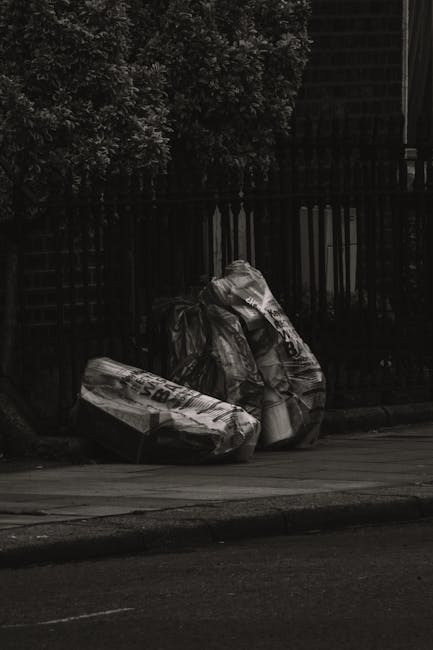
Notting Hill eco friendly rubbish disposal and reuse options
If you are trying to clear space in Notting Hill without simply sending everything to landfill, you are in the right place. Notting Hill eco friendly rubbish disposal and reuse options are all about making smarter choices: passing on usable items, recycling what can be recycled, and disposing of the rest in a way that is responsible, tidy, and realistic for London life. That might mean a flat clearance after a move, a tired sofa that still has life left in it, or a bag of mixed household waste that needs handling properly.
The good news? You do not need to choose between convenience and being environmentally sensible. With the right approach, you can reduce waste, keep useful items in circulation, and avoid the usual headache of overfilled bins, awkward stairwells, and the nagging sense that you could have done better. Let's walk through what actually works, what to avoid, and how to make a clearance feel orderly rather than chaotic.
Table of Contents
- Why Notting Hill eco friendly rubbish disposal and reuse options Matters
- How Notting Hill eco friendly rubbish disposal and reuse options Works
- Key Benefits and Practical Advantages
- Who This Is For and When It Makes Sense
- Step-by-Step Guidance
- Expert Tips for Better Results
- Common Mistakes to Avoid
- Tools, Resources and Recommendations
- Law, Compliance, Standards, or Best Practice
- Options, Methods, or Comparison Table
- Case Study or Real-World Example
- Practical Checklist
- Conclusion
- Frequently Asked Questions
Why Notting Hill eco friendly rubbish disposal and reuse options Matters
Notting Hill has a mix of period homes, mansion flats, renovated terraces, and busy commercial premises. That creates a very particular kind of waste problem. There is often limited storage, access can be awkward, and rubbish tends to build up quickly when people are moving, refurbishing, decluttering, or changing furniture. In that setting, throwing everything away is usually the least thoughtful option, and not always the easiest one either.
Eco friendly rubbish disposal matters because the first question should not be, "How do I get rid of this fast?" It should be, "What can be reused, repaired, donated, recycled, or responsibly removed?" That shift sounds small, but in practice it changes the whole clearance process. A good chair, a serviceable desk, a box of books, or even builder's offcuts may all have a second life if you sort them correctly.
There is also a more practical side. Reuse can reduce the amount of waste you pay to remove. Recycling can lower the pressure on mixed waste streams. And sensible sorting can make collections quicker, cleaner, and less stressful. To be fair, nobody enjoys standing in a hallway at 7.30 in the morning wondering which pile is which. A bit of planning saves a lot of faff.
For local households and businesses alike, sustainable disposal is also about trust. You want to know your waste is handled properly, with care around safety, separation, and lawful disposal. That is where a structured service approach often helps. If you are comparing clearance support for a home, flat, office, or furniture-heavy job, pages such as home clearance, flat clearance, and furniture clearance can give a clearer idea of how different situations are usually handled.
Expert summary: The most eco friendly option is rarely "one big throwaway job." It is usually a sequence: reuse what can be reused, separate recyclable materials, and only send residual waste for disposal. Simple, but very effective.
How Notting Hill eco friendly rubbish disposal and reuse options Works
The process is more straightforward than many people expect. Eco friendly rubbish disposal is not about perfection. It is about choosing the best available route for each item, based on condition, material, and practicality. In most real-world clearances, that means a mix of reuse, recycling, and disposal.
1. Sort items by destination, not just by room
Instead of piling everything together, divide items into rough groups:
- Reuse or donate: items that are clean, intact, and still functional
- Repair or repurpose: things with minor damage but usable parts
- Recycle: metals, some wood, cardboard, electricals, and certain plastics where appropriate
- Dispose responsibly: broken, contaminated, or mixed waste that cannot be reused
This sounds obvious, yet it is the part people skip most often. Once items are mixed, the best environmental option becomes harder to achieve.
2. Remove valuables and sensitive items first
Before anything is loaded, check drawers, cupboards, and hidden corners. It is astonishing how often paperwork, spare keys, small electronics, or sentimental bits turn up in the last ten minutes. I have seen people find an entire folder of old lease documents behind a radiator. A tiny moment of panic, then relief. Worth checking.
3. Identify reusable furniture and household goods
Good quality sofas, tables, beds, wardrobes, shelving, and office furniture often have reuse potential if they are still safe and presentable. Even if they are not perfect, some items can be broken down for parts or materials. If you are dealing with a furniture-heavy clearance, it can help to look at the specific approach used for furniture disposal so you understand how items are assessed before removal.
4. Separate special waste early
Not all rubbish should be handled the same way. Paint tins, plasterboard, broken glass, electrical items, and garden waste all tend to need different treatment. Builders' debris, for example, is usually best handled separately from general household clutter, which is why a dedicated page like builders waste clearance is useful when renovation waste is involved.
5. Make the disposal route match the waste type
Eco friendly disposal works best when the destination is matched to the material. Reuse if the item is still useful. Recycling if the item is clean and accepted by the relevant stream. Disposal only when those options are no longer sensible. That order matters. A lot.
In practice, this is what keeps a clearance from becoming just another mixed-load dumping exercise.
Key Benefits and Practical Advantages
The environmental case is obvious, but there are several day-to-day benefits that people notice very quickly.
Less waste going to landfill
Every item reused or recycled is one less item sent for final disposal. That is the simplest benefit and often the most satisfying one. When a sofa, desk, or table avoids the skip, the job feels better straight away.
Cleaner, more organised clearances
Once you sort items into logical groups, the whole process becomes calmer. You know what is staying, what is being passed on, and what needs removal. That helps in tight spaces, especially in Notting Hill properties where hallways and staircases can be narrow and access can be a bit of a puzzle.
Better value from reusable items
Usable items should not be treated as rubbish just because they are inconvenient. Reuse can reduce waste volume and improve the overall value of a clearance, particularly when furniture or office equipment is involved.
Less disruption to neighbours and shared spaces
In flats and mews properties, big clear-outs can be noisy and messy if they are not managed carefully. A structured clearance keeps movement down, reduces congestion, and avoids leaving items in communal areas for longer than necessary. If you are managing a move or downsize in shared accommodation, flat clearance is often the most practical route.
More confidence in responsible handling
There is a quiet reassurance in knowing things have been dealt with properly. No guesswork. No mystery pile outside the building. Just a sensible, traceable process from start to finish.
| Approach | Best for | Environmental value | Typical practicality |
|---|---|---|---|
| Reuse | Usable furniture, appliances, household items | Very high | High if items are in decent condition |
| Recycling | Sorted materials like metal, cardboard, certain electricals | High | Good if items are separated properly |
| Responsible disposal | Damaged, contaminated, or mixed residual waste | Moderate to low | Necessary for final leftovers |
Who This Is For and When It Makes Sense
Eco friendly rubbish disposal is not just for people who are already deep into sustainability. It is for anyone who wants to clear space without being wasteful. That includes homeowners, tenants, landlords, office managers, shopkeepers, and tradespeople.
Households clearing after a move or renovation
Moving house is the obvious one. So is a refurb, a loft tidy, or clearing the garage after years of "I'll deal with that later." If you are dealing with larger domestic jobs, house clearance and loft clearance can be especially relevant because they help you separate usable items from genuine waste.
Renters and flat owners
Flats often generate a particular type of waste: furniture, small appliances, boxes, soft furnishings, and mixed clutter that accumulates quickly in a limited space. A methodical approach matters here because storage is tight and access can be awkward. One overloaded bag in a narrow stairwell can turn a simple job into an unpleasant morning, and nobody wants that.
Landlords and letting agents
After tenants move out, there may be a mix of left-behind furniture, broken items, and general waste. The aim is usually to clear the property quickly while salvaging anything reusable. That is where careful triage matters. It is not glamorous, but it is practical.
Businesses and offices
Office clearances often involve desks, chairs, filing units, packaging, electronics, and the odd mystery cable that nobody can identify. Reuse and recycling are particularly useful here. If you are dealing with a workplace reset, office clearance and business waste removal can support a cleaner, more orderly process.
Garden and outdoor clean-ups
Notting Hill may be dense, but outdoor spaces still gather surprising amounts of waste: broken planters, old soil bags, dead branches, turf offcuts, and rusted tools. If your waste is mostly organic or outdoor-related, a garden clearance approach is usually more efficient than trying to force everything into general waste.
Step-by-Step Guidance
If you want a simple, sensible process, use this sequence.
Step 1: Walk the space slowly
Do not start with lifting. Start with looking. Check each room, cupboard, shed corner, basement patch, or loft edge and decide what belongs in each broad category. A slow first walk often saves a fast second mistake.
Step 2: Pull out obvious reuse items
Good-condition furniture, working appliances, books, frames, lamps, and household accessories should be separated first. If something is clean, safe, and easy to pass on, keep it out of the waste stream.
Step 3: Set aside recycling streams
Gather cardboard, metals, certain electrical items, and any material that can be clearly identified for recycling. Keep them clean and separate if you can. Mixed material loads are harder to process and less efficient overall.
Step 4: Group the remainder by weight and type
Heavy rubble, broken furniture, general household waste, garden debris, and renovation waste should be grouped sensibly. This makes loading safer and prevents delicate items from being damaged on the way out.
Step 5: Check access and lifting points
In Notting Hill, access can be a real factor: basement stairs, tight landings, shared entrances, parked cars, and narrow pavements all affect how the clearance happens. Measure awkward items before moving them if you are not sure they will fit. It sounds fussy, but it avoids damage and shouting in the hallway.
Step 6: Choose the right removal route
Match the waste to the right service type. Furniture may need one approach, garden material another, and mixed household clutter a broader clearance method. For large domestic clearances, the flexible route is often a home clearance service, while a more item-specific job may need targeted removal.
Step 7: Ask what happens next
Before anything is removed, make sure you understand whether items will be reused, recycled, or disposed of. That one question tells you a lot about how seriously sustainability is being taken.
Expert Tips for Better Results
These are the small things that make the biggest difference.
- Separate before the crew arrives. Even rough sorting speeds up the job and improves reuse outcomes.
- Keep reusable items clean. A wiped-down table is much easier to pass on than one covered in dust and old paint flecks.
- Be realistic about condition. If an item is structurally tired, do not stretch the definition of "reusable" just to feel better about it.
- Leave hazardous items to specialist handling. Do not mix in chemicals, batteries, or anything potentially unsafe with general waste.
- Use room-by-room labels if the job is big. It helps if several people are involved.
- Think in layers. First reuse, then recycle, then dispose. Not the other way around.
One small but useful trick: keep one corner of the property as a temporary sorting zone. It stops the whole place from becoming a jumble. And yes, in the real world, one tidy corner can feel like a minor miracle.
If you want to understand a provider's environmental approach before booking, it is worth looking at their stated recycling and sustainability commitments alongside their pricing and service information. A decent provider should be happy to explain the process in plain English.
Common Mistakes to Avoid
Most clearance problems come from the same few habits.
Mixing everything together at the start
This is the biggest one. Once items are mixed, the chance of reuse drops and the recycling stream becomes muddier. It also makes the job slower and messier.
Assuming old means useless
Age and usefulness are not the same thing. Some older furniture is sturdier than newer flat-pack items. The real test is condition, safety, and usability.
Ignoring access constraints
Notting Hill properties can be tricky to move through. If you ignore that and leave it all to the end, you may end up with blocked doorways, scratched walls, or awkward lifting moments that should have been avoided.
Forgetting special waste
Paint, plasterboard, old electricals, and some garden waste need more thought than general rubbish. Do not just toss them in with everything else and hope for the best. That tends not to end well.
Not asking where items will go
If you are choosing an eco friendly option, ask for clarity. Reuse? Recycling? Disposal? A good process should not be mysterious.
Leaving clearance until the last possible day
Truth be told, last-minute clearances often lead to poor sorting. You rush, you miss things, and things that could have been reused get treated like waste. A little lead time changes that completely.
Tools, Resources and Recommendations
You do not need a shed full of equipment. Usually, a few practical tools are enough to make the process smoother.
- Sturdy bags and boxes for separating smaller items
- Labels or tape to mark reuse, recycle, and dispose piles
- Gloves for basic protection when handling dusty or rough items
- Measuring tape for checking large furniture and tight access
- Basic cleaning cloths for reusable surfaces
- Phone camera if you want to record what should be kept, removed, or donated
For larger jobs, it can also help to use a provider that offers more than one clearance type. That way, one team can handle mixed waste more intelligently rather than forcing everything into a single bucket. Depending on the job, pages such as garage clearance, furniture clearance, and waste removal may be useful references for understanding how different waste streams are commonly managed.
One more recommendation: ask for clear pricing and scope before the job starts. If a clearance involves heavy items, multiple rooms, or mixed materials, the detail matters. You can review pricing and quotes information to get a sense of how that part of the process is usually handled.
Law, Compliance, Standards, or Best Practice
For rubbish disposal in the UK, the safest general rule is simple: waste should be handled by someone authorised to carry, sort, and dispose of it properly, and you should be satisfied that items are not just being dumped somewhere improper. That is especially important when dealing with commercial waste, renovation debris, electrical items, or anything that might be classed as special waste.
Good practice usually includes the following:
- keeping reuse and recycling separate where possible
- using suitable handling for sharp, heavy, or contaminated items
- avoiding unsafe lifting and blocked escape routes
- ensuring waste is not left in communal areas longer than necessary
- checking that the service you use takes care with lawful disposal and responsible handling
If you are a business, your obligations may be broader because commercial waste often needs clearer duty-of-care thinking and better record-keeping. You do not need to become a compliance expert overnight, but you do need to be careful. That is one reason many companies prefer a straightforward business waste solution rather than patching together a few ad hoc removals.
Health and safety also matters in very practical ways. Bags can split, glass can cut, furniture can topple, and lofts can be cramped. If you are arranging a clearance yourself, keep pathways clear and do not overload boxes. If you are using a service, check that the team works with sensible safety controls. A useful place to understand a provider's standards is their health and safety policy and insurance and safety information.
For organisations concerned about ethical handling and operational standards, it also helps to review policies such as modern slavery statement where available. That may seem unrelated at first glance, but it often signals a more responsible approach to supply chains and working practices.
Options, Methods, or Comparison Table
Choosing the right route depends on what you are clearing, how quickly it needs to happen, and how much of the load could be reused.
| Method | Best suited to | Strengths | Limitations |
|---|---|---|---|
| Reuse / donation-style passing on | Usable furniture, books, homeware, office items | Best environmental outcome, often lowest waste | Only works if items are still in decent condition |
| Selective recycling | Cardboard, metals, some electronics, clean materials | Reduces residual waste and supports resource recovery | Requires sorting and separation |
| General eco-conscious waste removal | Mixed household or business clearances | Convenient, flexible, suited to larger jobs | Less optimal if everything is mixed from the start |
| Specialist clearance by room or item type | Lofts, garages, furniture-heavy jobs, offices, gardens | Efficient and more targeted | May require more planning up front |
If you are not sure which option fits, the answer usually depends on two things: condition and volume. A single good sofa may be better handled as a furniture-specific job. A mixed flat full of boxes, clothes, and old chairs may be better treated as a full house clearance or home clearance project. It is not always neat, and that is fine.
Case Study or Real-World Example
Imagine a typical Notting Hill flat after a long tenancy. The living room has a worn but usable armchair, a coffee table with a few scratches, three bags of books, an old lamp, a broken desk chair, and a pile of mixed household clutter in the corner. The hallway is narrow, the stairs are shared, and the landlord wants the place ready for cleaning as soon as possible.
A sensible eco friendly approach would look like this:
- set the armchair and coffee table aside for reuse if they are clean and structurally sound
- separate the books for donation or resale where possible
- check the lamp for reuse or electrical recycling
- remove the broken desk chair for disposal or material recovery
- bag the remaining mixed items for responsible waste removal
The result is a cleaner flat, less waste sent away unnecessarily, and a better chance that useful items stay in circulation. It also makes the turnaround faster, because the room is not being treated like one giant pile of "stuff." Small difference, big impact.
Now imagine the same flat but with no sorting at all. Everything is stacked together, the hallway gets blocked, and nobody remembers which box contains what. That version is slower, more stressful, and far less eco friendly. Not exactly the dream.
Practical Checklist
Use this checklist before your clearance begins:
- Identify items that can be reused, donated, or resold
- Separate recycling from general waste
- Check for special waste such as batteries, paint, and electricals
- Measure bulky furniture and awkward access points
- Clear pathways and protect walls or floors where needed
- Label piles or boxes clearly
- Confirm how the waste will be handled after collection
- Review pricing and scope before work starts
- Keep valuables, documents, and sentimental items aside
- Choose a service that matches the size and type of job
If you are unsure what to prioritise, start with the biggest reusable items. They usually deliver the fastest environmental benefit.
Conclusion
Notting Hill eco friendly rubbish disposal and reuse options are really about good judgement. Keep what still has life in it, recycle what can be recovered, and only dispose of the rest when that is the only sensible route. It is not complicated, but it does reward a little care.
Whether you are clearing a compact flat, emptying a loft, dealing with old office furniture, or tidying a garden store, the best results usually come from planning the sort order before the lifting starts. That one habit saves time, reduces waste, and makes the whole process feel more manageable. And honestly, in a busy London neighbourhood, manageable is a lovely word.
If you want a more structured approach for your own property or business, start by comparing the most relevant clearance type and checking the service details that matter to you. A little preparation goes a long way, and it can make a surprisingly big difference to both the environment and your day.
Get a free quote today and see how much you can save.
Frequently Asked Questions
What is the most eco friendly way to dispose of rubbish in Notting Hill?
The most eco friendly approach is to reuse anything still in good condition, recycle the right materials, and only send residual waste for disposal. Sorting before collection is what makes the biggest difference.
Can furniture be reused instead of thrown away?
Yes, if it is clean, safe, and structurally sound. Sofas, tables, chairs, wardrobes, and office furniture are often suitable for reuse if they are still serviceable.
What types of waste are hardest to recycle?
Mixed waste, contaminated items, and materials combined with food, paint, or other residues are usually harder to recycle. Separation at source helps a lot.
Is a flat clearance different from a house clearance?
Usually, yes. Flat clearances often involve tighter access, shared entrances, and more careful movement through communal areas. House clearances can be broader and may include lofts, garages, or gardens.
What should I do with old electronics?
Old electronics should be kept separate from general rubbish where possible. They often need specific handling rather than being mixed with household waste.
How do I know if an item is reusable or just waste?
A useful rule is to check whether it is clean, complete, and safe to use. If it needs major repair, has structural damage, or is heavily contaminated, it may be better treated as waste.
Are eco friendly rubbish disposal options more expensive?
Not always. Reuse and separation can sometimes reduce the amount of waste that needs disposal. The real cost depends on volume, access, item type, and how much sorting is needed.
What makes a clearance service more environmentally responsible?
Clear separation, proper recycling routes, reuse-first thinking, safe handling, and transparent disposal practices all point in the right direction. It should feel organised, not vague.
Can garden waste be handled separately from household rubbish?
Yes, and it usually should be. Leaves, branches, soil bags, and other outdoor materials are often better dealt with through a garden-focused clearance route.
Do I need to sort everything before the clearance team arrives?
You do not need to do all the work, but basic sorting helps. Even a rough split between reuse, recycle, and dispose can improve the outcome and make the job quicker.
What is the safest way to prepare for a big clearance?
Clear walkways, label piles, keep valuables safe, and avoid overfilling bags or boxes. If there are heavy, awkward, or potentially hazardous items, handle them carefully and ask for guidance.
Where can I learn more about sustainability and responsible disposal from the same provider?
It is worth reviewing the provider's recycling and sustainability information, along with their pricing and safety pages, so you understand how they approach the job from start to finish.
There is something satisfying about seeing a cluttered space turn back into a calm one, especially when the useful bits stay useful. That is the goal, really.